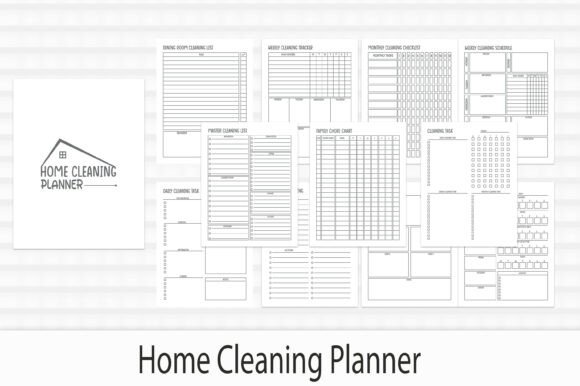
Home Cleaning Planner
A Designer’s First Look: Clean, Calm, and Quietly Purposeful
When I opened the Home Cleaning Planner embroidery file, my first thought wasn’t “cute” or “trendy”—it was “usable.” That’s rare. This isn’t a decorative monogram or whimsical icon set. It’s a functional graphic with quiet confidence: clean lines, balanced spacing, soft but legible typography, and a layout that reads instantly—even at 3 inches wide on a tea towel or 4.5 inches across a tote bag strap. The mood is grounded, not playful; organized, not clinical. As a designer who regularly translates digital graphics into stitched reality, I immediately pictured it on a linen apron for a boutique kitchen shop—or embroidered in muted sage thread on an organic cotton baby blanket as a gentle nod to new-parent practicality.
Where It Shines: Real Projects, Real Stitching
The Home Cleaning Planner works best where clarity meets comfort—think embroidered sweatshirt pockets for cleaning service staff, custom tote bags for eco-conscious home organizers, or pillow covers for minimalist nurseries. Its moderate detail level means it stitches cleanly on mid-weight cotton, twill, and linen without excessive fill stitch density. I tested a scaled-down version (about 3.2" wide) on a heavyweight canvas tote using standard cutaway stabilizer—and the daily/weekly/monthly labels held crisp edges, no puckering. On a relaxed-fit crewneck sweatshirt? It read beautifully above the left chest, especially in charcoal gray thread on oatmeal fabric. As a patch? Yes—but only if fused or sewn with clean satin-stitch borders; the subtle grid lines need definition to avoid blurring on textured fleece.
For Etsy sellers and small shop owners, this design adds quiet sophistication to product listings. Pair it with a printable mockup showing the Home Cleaning Planner on a folded kitchen towel beside a ceramic soap dispenser—it tells a story of intention, not clutter. And for craft fair shoppers? It feels like a thoughtful, handmade product—not mass-produced clip art. That matters. Customers trust embroidery that looks *designed*, not dropped in.
Where to Pause: Fabric, Fit, and Fine Detail
This isn’t a one-size-fits-all embroidery file. On stretchy fabrics like jersey or thin knits, the horizontal text rows can distort unless you use firm tear-away + topping combo. Tiny lettering—especially the “Daily Cleaning task” subheading—needs careful hooping: under 2.5" wide, some characters start to merge visually, even with sharp needles and quality 40-weight thread. On dark fabric, avoid light pastel threads unless you add a white underlay (check your machine’s fill stitch settings first). And skip curved surfaces like cap fronts unless you’re confident in digitizing adjustments—the layout assumes flat, stable real estate.
Also worth noting: the Home Cleaning Planner includes subtle visual hierarchy (bolder headers, lighter checkboxes), but those tonal shifts rely on thread color contrast—not stitch type. So if you’re planning black-on-black embroidery for a luxury boutique line, test that contrast early. What reads as “soft emphasis” on screen may vanish entirely when stitched.
Design Notes Every Embroiderer Should Check Before Stitching
- Test on scrap fabric first—especially if pairing with textured weaves or blends.
- Review stitch density: moderate fill areas are fine, but avoid overloading small hoop sizes (under 4"x4") without simplifying text size.
- Confirm hoop size compatibility: the full layout fits comfortably in a 5"x7", but scaling down below 3" risks losing legibility in the checklist rows.
- Inspect corners and intersections: the grid lines meet cleanly, but tight corners on low-thread-count fabric may snag—use a sharp needle and slow speed.
- Try black-and-white mockups: this design gains strength from contrast, not color. If it doesn’t pop in grayscale, adjust thread choices before production.
- Use proper stabilizer: lightweight cutaway for stable wovens; firm tear-away + topping for knits or towels.
- Verify licensing: since this is listed under Kdp Interiors Graphics, confirm whether commercial use (e.g., selling finished embroidered totes on Etsy) is permitted before listing your handmade product.
More Than a Checklist—It’s a Brand Moment
What makes the Home Cleaning Planner stand out isn’t just its utility—it’s how it elevates perception. A customer buying a personalized embroidered apron with this design isn’t just getting a tool; they’re investing in calm, capability, and care. That emotional resonance translates directly to perceived value. For creative entrepreneurs, that means higher price tolerance, better reviews (“so well made and meaningful”), and repeat buyers who return for matching tea towels or holiday gift sets.
It also supports brand consistency beautifully. Whether you’re an apparel decorator building a “mindful home” collection or a digital product seller bundling embroidery files with printable planners, the Home Cleaning Planner bridges physical and digital seamlessly. Use it as-is for quick-turn projects—or treat it as a base layer: add your logo in corner satin stitch, swap fonts for seasonal variants, or pair it with simple floral motifs for spring-themed bundles.
Final Thought: A Design That Earns Its Place
In a sea of overly busy or cutesy home-themed embroidery files, the Home Cleaning Planner feels refreshingly honest. It doesn’t shout. It serves. And in embroidery—where every stitch carries weight, time, and intention—that honesty builds trust. Whether you’re stitching it for a client’s boutique launch, prepping a batch of holiday gifts, or adding it to your next Etsy digital bundle, approach it with attention to fabric, thread, and context. Done right, it won’t just look good—it’ll feel like it belongs.