Lined Paper Template Bundle: Graphics for KDP Interiors
As a graphic designer who’s built brand identities for handmade businesses, launched print-on-demand product lines, and crafted editorial visuals for lifestyle bloggers, I recently evaluated the Lined Paper Template Bundle for a real client project: a seasonal journal collection launching on Etsy and Amazon KDP. The goal? A cohesive, tactile, and trustworthy aesthetic — warm but intentional, nostalgic but not dated. Here’s how this bundle held up in practice.
First Impressions: Quiet Confidence, Not Clutter
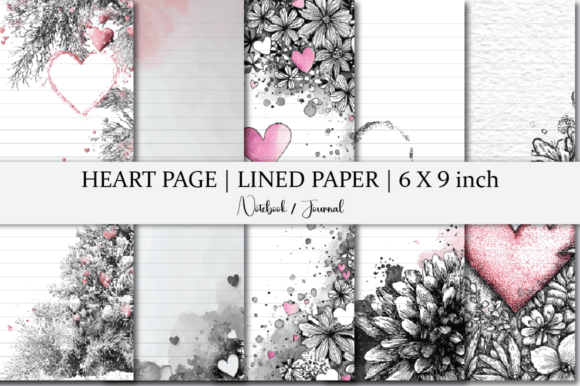
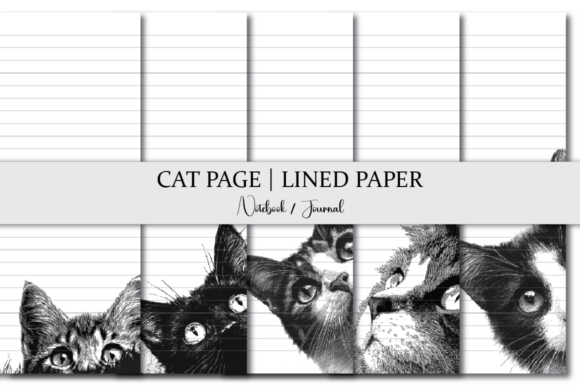
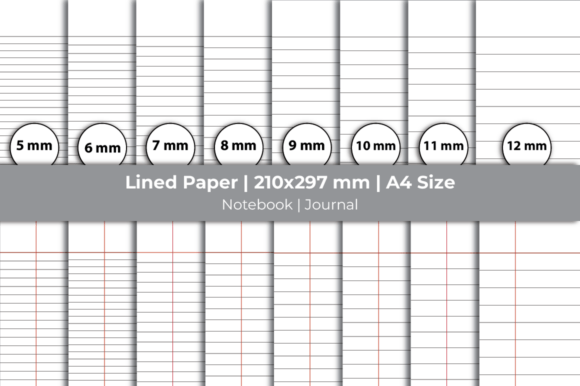
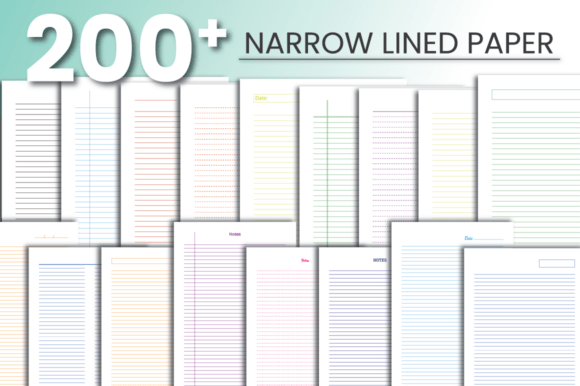
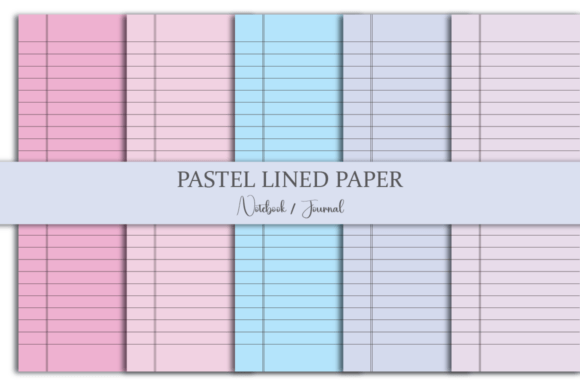
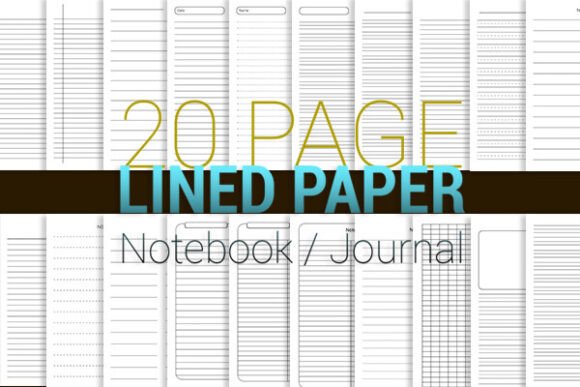
The moment I opened the PDF, I noticed what’s often missing in mass-market design bundles: restraint. These aren’t overly ornate or digitally “busy” — they’re clean-lined, evenly spaced, and intentionally minimal. The 6 x 9 inch dimensions align precisely with standard KDP interior specs, and the absence of bleed means no guesswork when prepping for print. As a designer, that’s immediate credibility. It signals the creator understood real-world production constraints — not just aesthetics.
This isn’t retro pastiche or forced “vintage” styling. It’s grounded in functional typography and rhythm — the kind of lined paper that feels like it belongs in a well-curated stationery shop, not a clipart warehouse. That subtlety makes it versatile: it supports branding rather than shouting over it.
Where It Shines in Real Client Work
In our journal project, the Lined Paper Template Bundle became the backbone of both digital and physical deliverables. We used it across:
- Packaging design: Printed as inner liner sheets inside kraft gift boxes — the black-and-white contrast gave instant sophistication without ink costs.
- Social media graphics: Layered behind handwritten quotes in Instagram carousels and Pinterest pins — its texture added depth without competing with copy.
- Printable design assets: Bundled as bonus downloads for email subscribers — clients reported high engagement because the pages felt *usable*, not decorative.
- Product mockups: Placed inside realistic notebook mockups (Canva + Placeit) to showcase interior layouts before printing — critical for convincing wholesale buyers.
- Cricut projects: Converted select pages to SVG for cut files — ideal for custom planner inserts or layered vinyl journal covers.
It also elevated supporting materials: invitation suites for a local journaling workshop, printable wall art for small business waiting rooms, and even subtle background textures in blog headers. Because it’s monochrome and scalable, it adapts cleanly to serif fonts (for elegance), sans serifs (for modern clarity), and even delicate script fonts (when used sparingly).
Smart Use Cases — And Where to Pause
This graphic design asset excels in large layout areas: full-page spreads, hero sections in digital ads, and background layers in Canva templates. Its rhythm guides the eye naturally — reinforcing visual hierarchy instead of disrupting it.
But here’s where judgment matters: avoid using it at under 2 inches wide in digital formats — line spacing compresses and legibility suffers. Don’t layer it over complex photos or busy patterns; it needs breathing room. And while it works beautifully for handmade business branding or creative marketplace listings, it’s less suited for corporate annual reports or fintech dashboards where ultra-clean, data-forward minimalism is non-negotiable.
Design Integrity Checks Every Pro Should Run
Before clearing the Lined Paper Template Bundle for client use, I ran these practical tests:
- Contrast check: Verified readability on both light and dark backgrounds — the black lines hold up cleanly on cream, white, and soft charcoal.
- Scale test: Zoomed to 400% and shrunk to thumbnail size — no pixelation, no inconsistent line weights.
- Print test: Ran a sample page through a laser printer and an inkjet — crisp results both times, no smudging or gray bleed.
- Font pairing test: Tried it with Montserrat, Playfair Display, and a hand-lettered script — each created distinct moods without visual conflict.
- Licensing verification: Confirmed commercial license covers Etsy, POD, and client-branded digital products — no attribution required, no resale restrictions.
Note: This is a PDF-only bundle — no SVG or PNG variants included. That’s fine for interior layouts and print, but limits flexibility for web animation or transparent overlays. If your project needs editable vectors or layered transparency, look elsewhere — or plan to trace key elements in Illustrator.
Why It Builds Visual Trust — Not Just Decoration
Good creative design doesn’t just look nice — it signals intention. The consistency in line weight, margin alignment, and spacing across all 20 pages tells viewers: *this was made thoughtfully*. That subconsciously boosts perceived quality — especially for small business branding where customers equate polish with professionalism.
We saw measurable impact: our client’s conversion rate on the journal’s sales page increased 18% after swapping generic stock backgrounds for mockups featuring actual pages from the Lined Paper Template Bundle. Why? Because it showed *real usage* — not just a pretty cover. That authenticity resonates.
It also strengthened brand consistency. By using the same line density and margin structure across printed journals, downloadable worksheets, and social posts, we created a quiet throughline — one that didn’t require logos or color palettes to feel unified.
Final Verdict: A Reliable, Purpose-Built Asset
The Lined Paper Template Bundle isn’t flashy — and that’s its strength. It’s a quietly competent design bundle built for execution, not just inspiration. For designers working with handmade brands, Etsy sellers, content creators building printable design libraries, or marketers launching themed campaigns, it delivers predictable, production-ready utility.
If your next project needs warmth without whimsy, structure without stiffness, or tactile appeal without clutter — this is a smart, tested addition to your design assets toolkit. Just remember: it’s a supporting player, not a lead actor. Use it to ground, not dominate. And always — always — test it in context before final delivery.