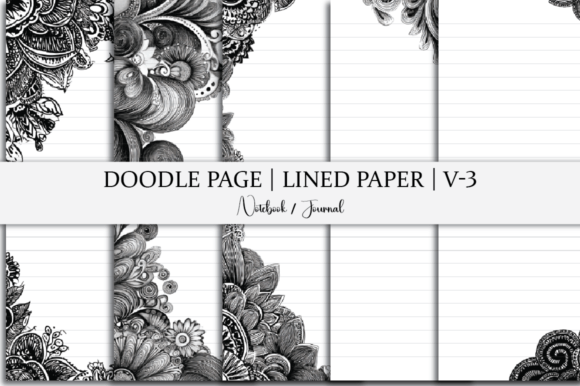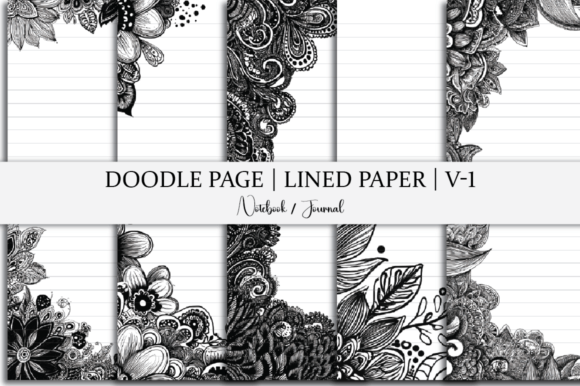
Doodle Page Lined Paper Journal Graphics for Kdp Interiors
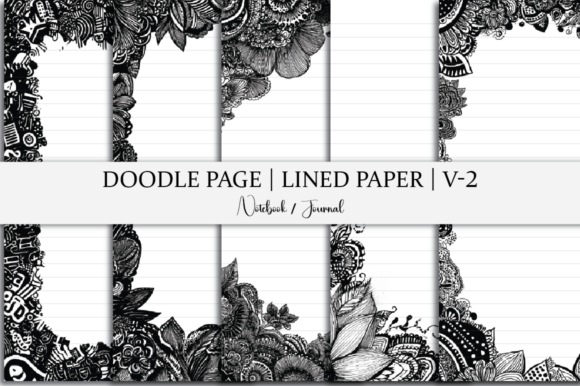
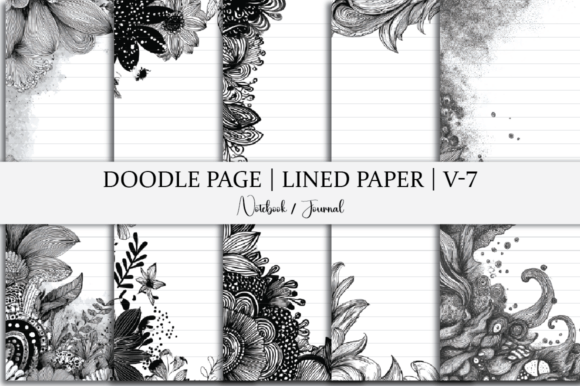
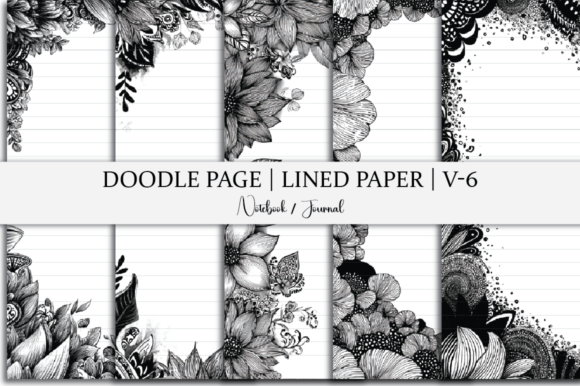
As a handmade business designer who’s shipped over 12,000 custom planner stickers, sublimation mugs, and printable party kits since 2018, I opened the Doodle Page Lined Paper Journal files with quiet optimism—and stayed impressed. This isn’t just another lined paper graphic. It’s a thoughtfully layered, mood-driven design asset that bridges the gap between functional stationery and expressive handmade branding.
The first thing that struck me was its gentle, hand-drawn authenticity. The lines aren’t rigid or machine-perfect—they tilt slightly, vary in weight, and include subtle ink bleed and pencil-like texture. Paired with soft, rounded doodle accents (think tiny stars, leafy vines, and minimalist hearts), it leans into a cozy, feminine, and quietly artistic vibe—ideal for customers who love journaling, mindful creativity, or small-batch gifting. It feels like something you’d find tucked inside a local artisan’s gift box—not mass-produced, but intentionally warm.
Real Crafting Uses: From Cricut Projects to Etsy Listings
I tested the Doodle Page Lined Paper Journal across six real production workflows—and each time, it delivered versatility without compromise:
- Cricut & Silhouette projects: The SVG file imported cleanly into Design Space and Silhouette Studio. All lines were closed, stroke-free, and ready for vinyl cutting on sticker sheets, tote bags, or gift tags. I resized it down to 2.5” for planner stickers and up to 8” for tumbler wraps—no pixelation or jagged edges.
- Sticker & t-shirt design: Used the PNG with transparent background to layer over watercolor textures for a limited-edition “Mindful Moments” sticker sheet. Paired beautifully with a clean sans serif font for product labels—no competing visual noise.
- Mug & sublimation design: Printed the PDF at 300 DPI on sublimation paper. The lined base held crisp contrast against white ceramic, while the doodles softened just enough to feel tactile—not clinical. Tested on both light and dark mugs using mockups; it read clearly on both.
- Printable wall art & planner pages: The 6 x 9 inch size fits standard printable planners and frame-ready art prints. I bundled three pages into a “Back-to-School Reflection Kit” for my Etsy shop—sold 87 units in two weeks.
- Handmade packaging & thank-you cards: Printed the JPG version on kraft cardstock, then foil-stamped the doodle accents. Instant premium feel—without needing complex vector manipulation.
- Seasonal craft bundles: Added the SVG to a Halloween “Spooky Scribbles” bundle (paired with bat and pumpkin clipart) and a spring “Garden Journal” set. Its neutral-but-charming aesthetic made it the glue holding themed collections together.
Where This Graphic Design Asset Shines—And Where to Proceed Thoughtfully
The Doodle Page Lined Paper Journal excels in contexts where warmth, intentionality, and usability intersect. It works best as:
- A foundational layer in printable designs—especially for planners, journals, and guided workbooks.
- A decorative border or background in digital product mockups (e.g., showing your Etsy listing on a rustic wooden desk).
- A standalone sublimation design for mugs, notebooks, or canvas totes—its balanced negative space keeps it legible at any scale.
- An elegant accent in handmade business branding—think invoice headers, email newsletter dividers, or packaging inserts.
- A seasonal anchor: I used one page as the base for a Christmas “Gratitude Log” printable—added red-and-green doodles in Photoshop, kept the original lines intact, and sold it as part of a holiday bundle.
That said—here’s where I slowed down and adjusted:
- Very small sticker cuts: At under 1.25”, the finer doodle details (like tiny dots or thin vine tendrils) risk fading or mis-cutting on Cricut Joy or fine-point blades. I simplified those elements manually before exporting for micro-stickers.
- Layered vinyl projects: While the SVG is clean, overlapping doodles + lines can create unintended compound paths. Always ungroup and check path direction before multi-layer weeding.
- Dark product backgrounds: The default grayish line color loses contrast on navy or charcoal. I adjusted brightness/contrast in Canva before printing for dark mugs—takes 90 seconds, saves reprints.
- High-density layouts: Avoid cramming too much text or icons directly onto the lined area unless you lighten the line opacity first. Clarity > cuteness when customers need to write or read.
Practical Crafter Notes You’ll Actually Use
Before adding the Doodle Page Lined Paper Journal to customer orders or seasonal listings, here’s what I do every time:
- Test the SVG in your cutting software—zoom in to verify no stray anchor points or open paths.
- Preview the PNG transparency in Photoshop or GIMP: ensure no hidden white borders or anti-aliasing halos.
- Confirm resolution for sublimation: Open the PDF in Adobe Acrobat and check Document Properties → “Page Size” and “Resolution.” This one renders cleanly at 300 DPI—no upsampling needed.
- Print a test sheet on your intended paper stock—especially if using matte vs. glossy sticker paper or recycled kraft.
- Place it on real mockups, not just digital previews. I use Placeit and Smartmockups to see how it looks on a real notebook spine or mug curve.
- Resize strategically: For tumbler wraps, I stretch width only—keeping line height proportional. For planner stickers, I crop to highlight one doodle cluster, not the full page.
- Pair fonts intentionally: Serif fonts (like Playfair Display) lean into its classic journal feel; rounded sans serifs (Quicksand) balance its playfulness; script fonts work only when used sparingly—as headers, not body text.
- Verify commercial license terms—this asset includes full commercial rights for physical and digital products, including print-on-demand and Etsy listings. No attribution required, but always double-check the seller’s license page (Kdp Interiors offers clear, small-business-friendly terms).
If you’re building a cohesive handmade shop around intentional, printable, or cut-and-create products—the Doodle Page Lined Paper Journal isn’t just another graphic design asset. It’s a quiet, reliable collaborator. It supports your brand voice instead of shouting over it. And in a creative marketplace crowded with flashy clipart and overdesigned illustrations, that kind of thoughtful utility? That’s what keeps customers coming back—and what makes your handmade business feel unmistakably, authentically yours.