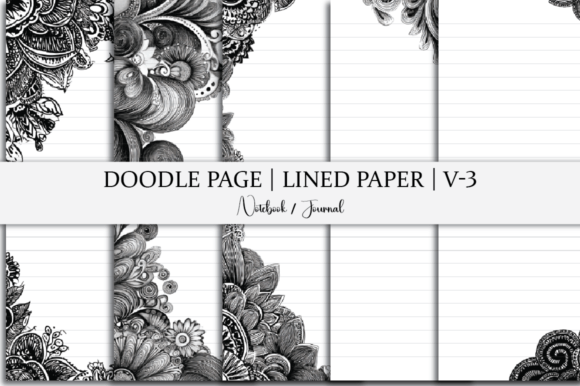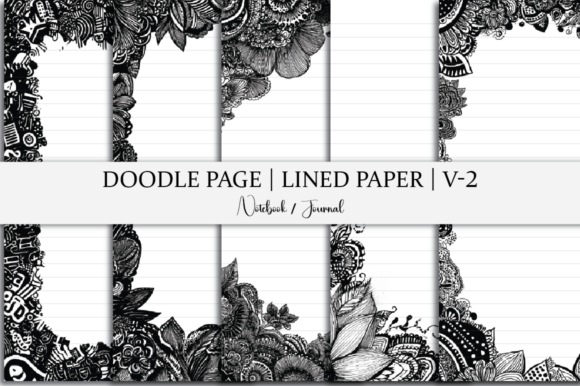
Lined Paper Doodle Page Journal Graphics for Kdp Interiors
First Impression: Warm, Handmade, and Quietly Confident
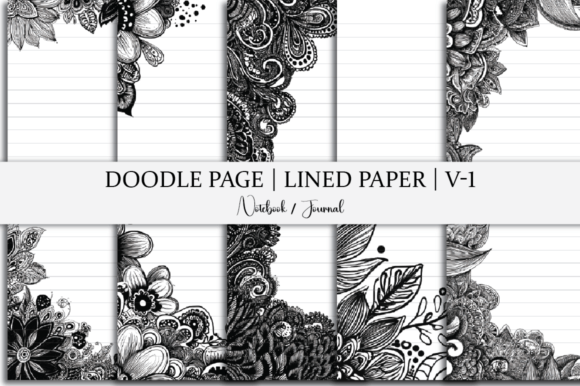
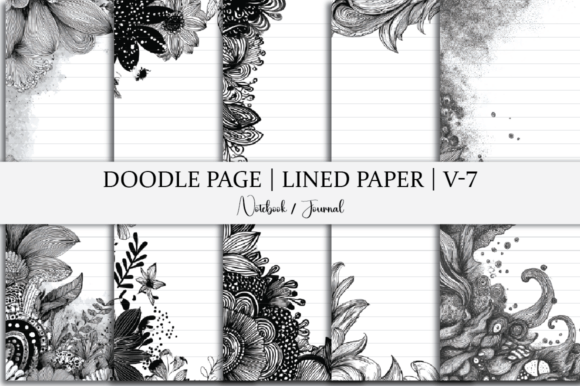
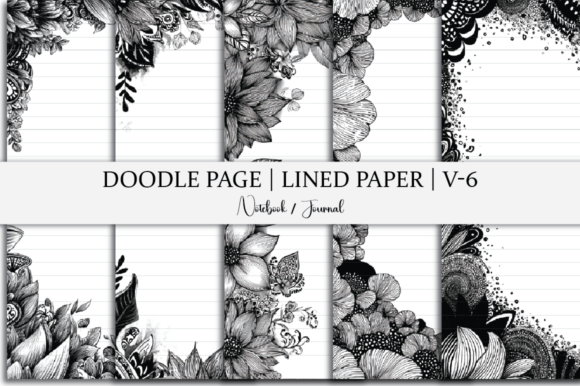
Opening the Lined Paper Doodle Page Journal zip file feels like unboxing a well-loved sketchbook from a local artisan’s studio—soft-lined pages, subtle texture, gentle doodle accents framing clean margins. It leans into a warm, approachable, handmade aesthetic—not overly precious, not trend-chasing, but deeply human. For a small business owner launching a new line of lavender-honey soap or hand-poured soy candles, this asset instantly signals authenticity, care, and tactile charm. It reads as organic and grounded, with just enough decorative detail to feel intentional without overwhelming. It’s not minimalist—but it’s never cluttered. Not rustic—but never sterile. That balance is rare, and valuable.
A Real-World Use Case: Branding a Neighborhood Florist & Gift Shop
I recently used the Lined Paper Doodle Page Journal as a foundational graphic design asset for “Petrichor & Petal,” a boutique florist and gift shop in Portland. Their brand voice is poetic, seasonal, and quietly refined—think handwritten notes tucked into bouquets, kraft paper wraps tied with twine, and soft watercolor labels on ceramic vases. The lined paper motif became the backbone of their packaging design: we layered subtle doodle borders over matte kraft tags, used the lined texture as a background for thank-you cards, and extracted individual ink-drawn flourishes to frame their logo on social media graphics. Because the asset includes SVG, PNG, and PDF files—and five distinct pages—we had flexibility: one page offered tight, minimal lines ideal for price lists; another featured delicate floral doodles perfect for seasonal campaign banners.
Where This Graphic Design Asset Earns Its Keep
- Product labels: The lined base adds warmth to ingredient lists or scent descriptions—especially when paired with a serif or script font that echoes handwriting.
- Packaging accents: Use the doodle elements as corner motifs on soap boxes, tea tins, or candle sleeves to reinforce handmade credibility without sacrificing legibility.
- Hero graphics & social media banners: The 6 x 9 inch format scales beautifully for Instagram carousels and Facebook cover images—especially when overlaid with short, evocative copy.
- Printable inserts: Perfect for “care instructions” cards tucked into gift boxes or seasonal recipe cards for a local jam brand.
- Boutique visuals: Works seamlessly in Canva templates for in-store signage, menu boards (for cafés or bakeries), or even as textured backgrounds behind product mockups on websites.
What It Does for Your Local Business Brand Identity
This isn’t just clipart—it’s a visual shorthand for sincerity. When applied thoughtfully, the Lined Paper Doodle Page Journal strengthens first impressions by grounding your brand in tangible, relatable craft. It improves product recognition because the consistent lined texture becomes a quiet signature—like the embossed paper grain on a favorite stationery brand. It supports clearer visual hierarchy when used as a subtle backdrop: text stands out more, calls-to-action land with greater weight, and emotional connection deepens through familiarity and tactility. Most importantly, it elevates shelf appeal without shouting—critical for handmade businesses competing alongside mass-produced goods in local markets or pop-up shops.
Use With Intention—Not Everywhere
While versatile, this graphic design asset has natural boundaries. Avoid using it for formal corporate branding, legal disclaimers, or ingredient-heavy food labels where clarity trumps charm. It’s not ideal for ultra-minimalist luxury brands (think black-and-white skincare lines) or crowded packaging layouts where every millimeter counts. Also tread carefully on low-contrast backgrounds—some doodle lines fade if placed over busy photos or light grays. And never assume the lined texture will read clearly at under 0.5 inches tall: test it on real packaging mockups before finalizing hang tags or small jar labels.
Practical Brand Designer Notes You’ll Actually Use
- Test the Lined Paper Doodle Page Journal in black and white first—some doodles lose definition when converted, especially fine-line variants.
- Preview PNG transparency on your brand’s actual label stock—kraft paper vs. white sticker vinyl changes how ink weight reads.
- Check SVG editability: open one file in Illustrator or Affinity Designer to confirm paths are clean and layers are named—vital for customizing doodle elements to match your logo style.
- Pair it with three font types: a classic serif (e.g., Playfair Display), a friendly sans (e.g., Poppins), and a true handwritten script—see which creates the strongest emotional resonance with your audience.
- Compare side-by-side with competitor packaging—does it help your product stand out *and* feel cohesive with your values?
- Confirm commercial licensing explicitly: while Kdp Interiors assets typically include broad commercial rights, always verify permissions for physical product sales, client work, and resale use.
Final Thought: A Quiet Tool for Authentic Storytelling
The Lined Paper Doodle Page Journal won’t replace strategic brand identity work—but it does something equally vital. It gives local business owners, handmade sellers, and creative entrepreneurs a trusted, printable design asset that says, “We made this ourselves. We care about the details. This matters.” In an age of algorithm-driven sameness, that quiet confidence is magnetic. Whether you’re designing a candle label in Asheville, a bakery menu in Detroit, or seasonal stickers for a children’s toy shop in Austin, this asset offers texture, warmth, and intentionality—without demanding perfection. Used wisely, it doesn’t just decorate your brand. It deepens it.