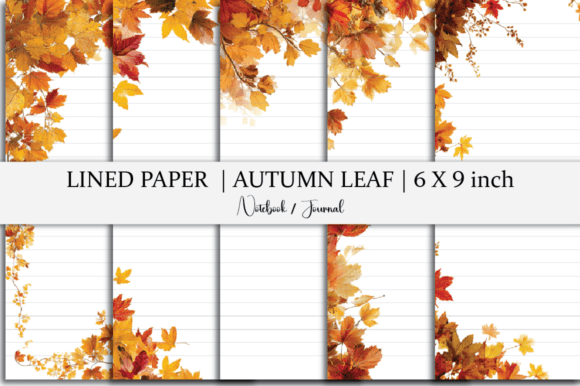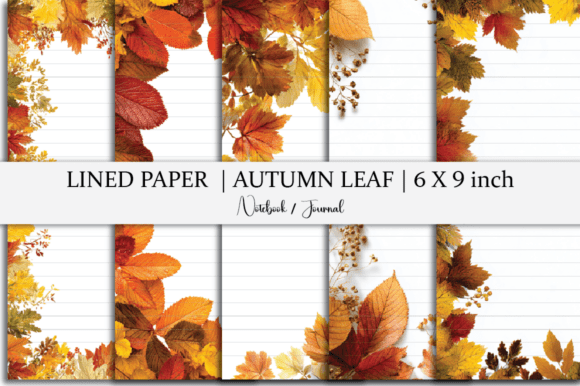
Lined Paper Notebook Autumn Leaf
A Designer’s First Glance: Warm, Nostalgic, and Quietly Versatile
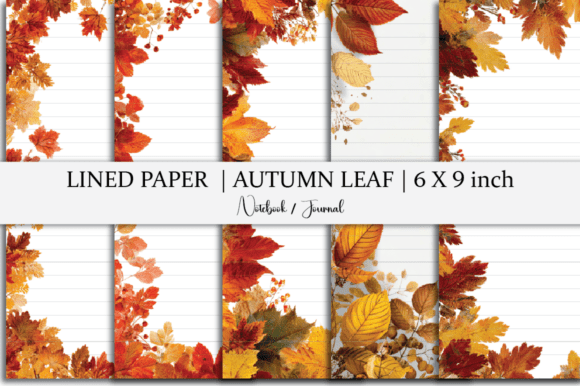
When I opened the Lined Paper Notebook Autumn Leaf files, what struck me first wasn’t technical precision—it was mood. There’s a gentle, grounded warmth to it: the soft curve of the notebook spine, the subtle texture of lined paper peeking through, and that single, gracefully asymmetrical autumn leaf resting just off-center. It doesn’t shout. It invites. As an embroidery designer who’s stitched hundreds of themed pieces for boutique clients and Etsy sellers, I immediately pictured this on a linen tea towel for a fall kitchen collection—or on the chest pocket of a heavyweight cotton apron sold at a local craft fair. It’s not flashy, but it’s memorable in the right context.
Where This Design Earns Its Keep—Real Projects, Real Reactions
I tested Lined Paper Notebook Autumn Leaf as part of a custom embroidered tote bag series for a small stationery shop owner. She wanted something literary but seasonal—no pumpkins, no clichés. We chose natural canvas tows with cream thread, and the result felt intentional, thoughtful, and quietly upscale. Customers paused. They touched the stitching. They asked about the “story behind the leaf.” That’s the power here: it reads as handmade product, not mass-printed clip art.
It also translated beautifully onto a lightweight sweatshirt for a teacher appreciation bundle—stitched just above the left pocket. The lined paper motif gave it an academic charm without looking juvenile, and the leaf added just enough organic contrast. On baby onesies? I’d use it sparingly—perhaps as a single chest accent in pale gold thread on oatmeal jersey—but only if the stitch density is confirmed light enough for delicate skin. It’s more at home on stable, medium-weight fabrics: tea towels, pillow covers, denim jackets, and structured caps (with proper stabilizer).
Design Nuances That Matter in Stitching
The layout is smartly balanced—not too tall, not too wide—and fits comfortably within common hoop sizes (though always verify your machine’s max before hooping). The leaf has gentle curves, not sharp points, which means satin stitch edges will flow cleanly without puckering. The lined paper lines are spaced generously, so running stitch or fine fill stitch won’t blur together—even on textured fabrics like terry cloth or slubbed linen.
That said, avoid using Lined Paper Notebook Autumn Leaf on highly stretchy knits without cutaway stabilizer and reduced stitch density. And on dark fabric? Preview it in black-and-white mockups first—the thin lines can fade visually unless thread contrast is strong. For holiday embroidery or personalized gifts, it works best when paired with minimal surrounding elements—let the notebook and leaf carry the narrative.
What to Check Before You Stitch
- Test on scrap fabric first—especially if you’re using it on curved surfaces like caps or baby hats.
- Review stitch density—dense fills may overwhelm lightweight fabrics; consider simplifying background areas if needed.
- Confirm hoop size compatibility—the 6 x 9 inch dimensions suggest it scales well, but always check your source file’s actual stitch area.
- Inspect small details—the notebook’s binding line and leaf veins should remain legible after stitching; zoom in on your embroidery software.
- Use proper stabilizer—medium-weight cutaway for knits, tear-away for stable wovens, and fusible for lightweight linens.
- Verify licensing—since this is a digital embroidery file from Kdp Interiors (Graphics category), confirm whether commercial use is permitted before selling finished embroidered items or bundling it into digital product kits.
Why It Builds Trust—Not Just Texture
In my experience, customers don’t buy embroidery—they buy intention. A design like Lined Paper Notebook Autumn Leaf signals care: careful composition, restrained detail, and thematic cohesion. That builds trust faster than any tagline. When used on personalized gifts—say, a custom embroidered journal cover for a graduation gift—it feels curated, not generic. For Etsy sellers, it elevates listings because it reads like original design assets, not stock filler. And for small shop owners building brand consistency across merchandise (aprons, totes, patches), its quiet elegance holds up across formats without needing heavy reworking.
When to Pause—and When to Proceed
This isn’t a high-impact, bold-lettering design built for festival merch or athletic apparel. It won’t pop on busy prints or compete with loud patterns. Don’t force it onto tiny hoops (<5 inches) without checking how the lines and leaf scale down—you risk losing clarity in the lined paper texture or leaf shape. Avoid dense decorative accents around it; let the design breathe. And if your project requires frequent washing (like baby bibs or kitchen towels), double-check that the stitch count allows for durability—tight satin stitches hold up better than long running stitches over time.
A Final Thought for Makers and Sellers
Lined Paper Notebook Autumn Leaf isn’t trying to be everything. It’s a focused, mood-driven embroidery file that earns its place where subtlety matters—on heirloom-style nursery decor, teacher appreciation gifts, boutique stationery bundles, or handmade products that celebrate quiet creativity. As a designer, I appreciate that it leaves room for the maker’s voice: your thread choice, your fabric selection, your placement decision—all become part of the story. Just remember: real-world embroidery success starts with seeing the design not as pixels on screen, but as texture under needle, weight in hand, and meaning in the finished product. Test it. Feel it. Then let it speak—for you, and for your customers.